By Alex Shandrovsky, Managing Director, Food Tech Weekly. Host, Investment Climate Podcast.
Food and agriculture is one of the world's largest sectors. For investors, the gap between that market and the capital in it is the opportunity: huge markets, less capital competition, and disruption arriving from every side. On the Investment Climate Podcast I ask every investor guest the same question, why is agrifood a great investment class? This page collects their answers, and grows with every episode.
The 5% of global VC and the less than 2% of revenue on innovation are from Felix Leonhardt's LinkedIn post I wish Oyster Bay had 50 direct competitors (Oyster Bay Venture Capital). The five points below are summarised from that post.
Underfunded. Food and agriculture receives just 5% of global VC funding.
Incumbents barely innovate. The sector's largest corporates invest less than 2% of revenue in innovation, the lowest share of any major industry.
Enormous markets. Almost every market within the sector is huge.
A real ecosystem now. The startup ecosystem has improved massively over the past 10 to 15 years, yet there is still a serious lack of funding.
Less capital competition. Investors can back exceptional startups without the crowding seen in other categories. Felix would still rather see more specialist funds, because transforming the food system takes far more than a handful of them.
The health bill, the food figures, and the capital point are from Carter Williams's LinkedIn post Planes rarely crash. That isn't luck. The three points below are summarised from that post.
The health bill. Chronic disease is on pace to cost the U.S. as much as $47 trillion over the next 15 years. Health care spending was $5.3 trillion in 2024, 18% of GDP. Spending on food was about $2.5 trillion. The repair shop costs twice the input.
The food system is making us sick. 76% of U.S. adults have at least one chronic condition (CDC, 2023). 55% of the calories Americans eat come from ultra-processed food, and 62% for kids (CDC, 2021 to 2023). 77% of Americans aged 17 to 24 cannot qualify for military service without a waiver, and overweight is the top single disqualifier (DoD, 2020). Chronic disease, he writes, is a supply chain problem, not a healthcare problem. Food is the upstream input. Medicine repairs the downstream damage. Diet is not the only cause. Age, genetics and smoking matter.
The opportunity. The market does not fix this because it cannot see it. Food is priced per calorie and per day of shelf life. Nobody prices what a meal does to your blood sugar ten years out, so capital builds cheap calories and the health system bills for the result. Making health outcomes visible to capital means measuring nutrient density, linking food to outcomes, and pricing it. When markets can see the arbitrage, money moves.
Consumer demandFTW research
Consumers want better-for-you
Each figure is the one in the linked source. The year is the survey year or the publication date.
Wellness is a priority. 84% of US consumers say wellness is a top or important priority. McKinsey's Future of Wellness survey, published 29 May 2025, covered more than 9,000 people in China, Germany, the United Kingdom, and the United States. McKinsey, 29 May 2025.
Protein is up, and sugar is being cut. In the 2024 IFIC Food and Health Survey of 3,000 Americans, fielded in March 2024, 71% were trying to consume protein, up from 59% in 2022. 66% were trying to limit sugars, up from 61% in 2023. IFIC, 2024.
Many shoppers step around processed food. The same 2024 survey says 63% avoid processed foods at least sometimes, and 79% consider whether a food is processed before they buy it. IFIC, 2024.
Better For is a real slice of the shelf. NielsenIQ said on 21 October 2024 that Better For products, defined as better for health, society, or the planet, were again growing faster than conventional food and beverage, and had reached nearly 10% of food and beverage volume. NielsenIQ, 21 October 2024.
GLP-1 households buy more protein shakes and superfoods. Numerator reported on 13 October 2025 that, in quarterly data from July 2024 through July 2025, weight-loss focused GLP-1 users spent 38% more on protein shakes and 58% more on superfoods than comparable households not using the drugs. Numerator, 13 October 2025.
ExitsFTW research
Recent better-for-you exits
Value is the price in the company announcement, unless the cell says a news report supplied it. Revenue is the top line nearest the deal. A revenue multiple is that price divided by that revenue. This page computes a multiple only when both numbers are public and in the same currency, and it says so. Otherwise the cell says not disclosed.
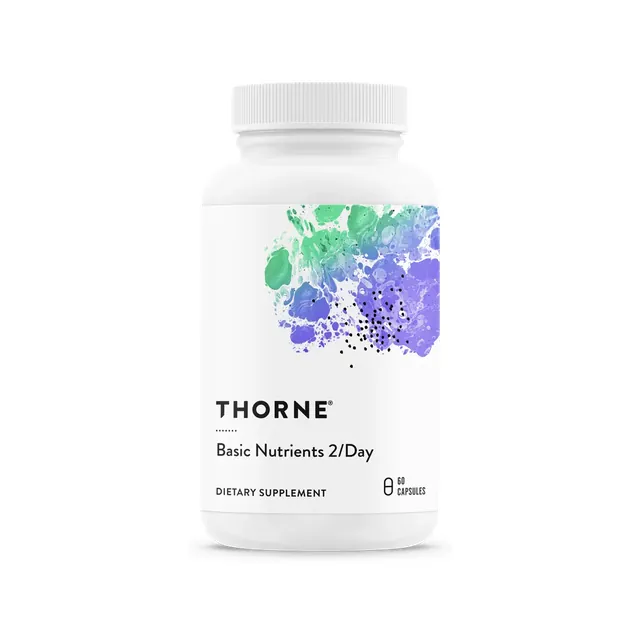
$228.7 million of net sales in 2022, the last full year before the agreement. SEC annual report. Net sales for the six months to 30 June 2023 were $138.0 million. SEC quarterly report.
3.0×, rounded from $680 million ÷ $228.7 million. Computed on this page from the stated transaction value and full-year 2022 net sales. Thorne does not state an enterprise value or this multiple.
Not disclosed by Danone. Reported at €1 billion (£864 million). BBC, 23 March 2026. Reuters, citing sources, said close to €1 billion ($1.15 billion).
£254 million of turnover in the year to 31 July 2025, as reported from the accounts filed at Companies House on 7 April 2026. The Grocer. Companies House filing.
Not disclosed. The reported price is in euros and the filed turnover is in pounds, so this page does not compute one.
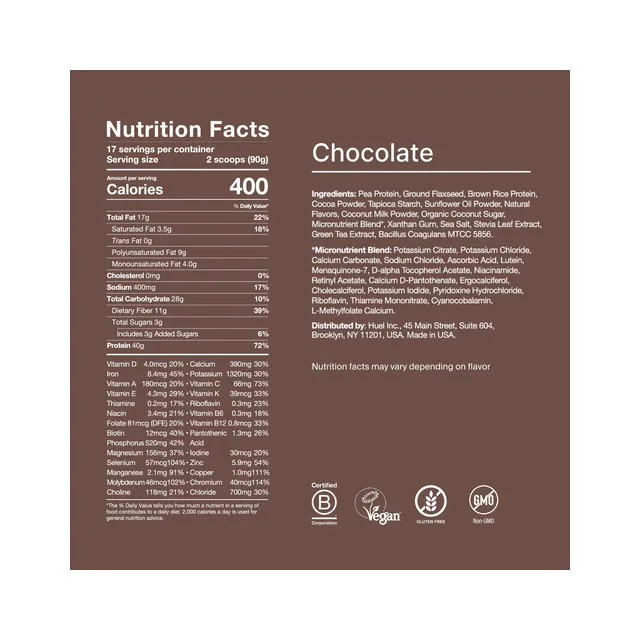
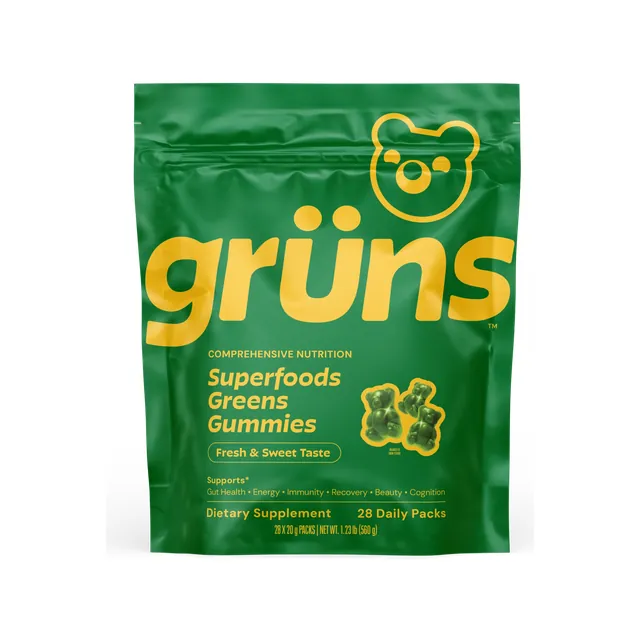
Grüns. Unilever agreed to buy Grüns on 9 April 2026 and completed the deal on 1 June 2026. Unilever.
Not disclosed. Forbes estimates 4 times estimated trailing revenue. This page does not compute a multiple.
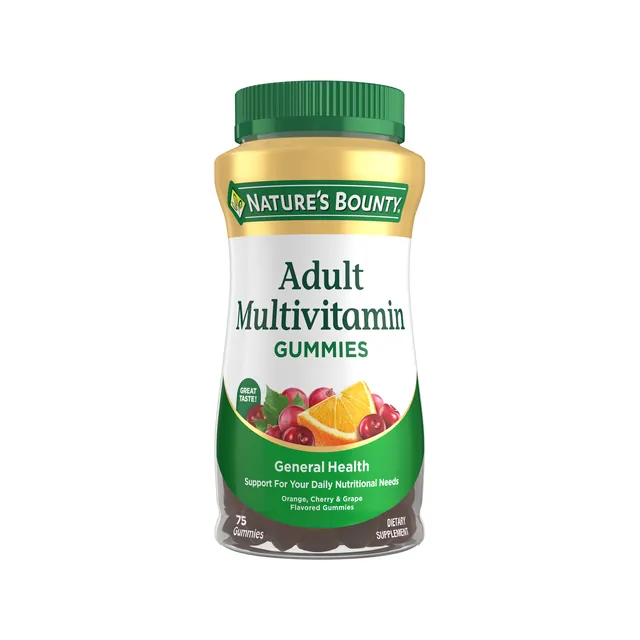
Nestlé mainstream supplements. Nestlé agreed on 1 September 2026 to sell the business to Yellow Wood Partners. The sale includes Nature's Bounty and Puritan's Pride, five other brands, US private label, and manufacturing. Closing is expected in the first half of 2027. Nestlé, 1 September 2026.
0.83×, computed on this page as $1.0 billion ÷ $1.2 billion. Nestlé does not state an enterprise value or this multiple. The price covers the whole mainstream business, not one brand.
Thorne and a mainstream supplement sale
Thorne's 2022 annual report says the company was participating in more than 20 ongoing clinical trials, by supplying products, advising, or acting as a principal investigator, including work with Mayo Clinic. SEC annual report. The L Catterton announcement says Thorne is the only supplement manufacturer that collaborates with Mayo Clinic on health and wellness research and content. Thorne, 28 August 2023. A completed Mayo Clinic trial of Thorne's SynaQuell lists Thorne as a collaborator. ClinicalTrials.gov, NCT05041192.
Nestlé's sale announcement says the company is keeping premium, science-led brands such as Solgar and Pure Encapsulations, and selling the mainstream business, including Nature's Bounty and Puritan's Pride, because that business requires a different approach. The announcement does not say those mainstream brands had no clinical studies. This page does not have a study count for them. Nestlé, 1 September 2026.
Set next to each other, the computed price-to-sales figures are about 3.0 times for Thorne on 2022 net sales, and 0.83 times for the Nestlé portfolio on 2025 sales. The sources do not say that gap is the result of clinical studies. The deals are also different: one is a 2023 purchase of a whole company, and the other is a 2026 agreement to sell several brands together with factories.
Döhler acquired Nukoko, a UK company that makes a cocoa-free chocolate alternative from fava beans. Döhler says the deal is meant to deliver a scalable alternative and reduce exposure to volatile cocoa markets. The release does not state a price or a percentage. Felix writes that the purchase was for 100%. Food Manufacture, 18 June 2026, by Bethan Grylls, reported an undisclosed sum. No revenue figure is public, so this page states no revenue multiple.
Felix writes that Oyster Bay did not want to sell. Nukoko was about to become commercial, and he thought the term sheet was too early. He and Philip met the founders within two days and accepted because of the founders' conviction. He says the deal came together because Christoph had worked with Döhler for more than 20 years.